
What is Dry Needling and How does it work?
What is dry needling?
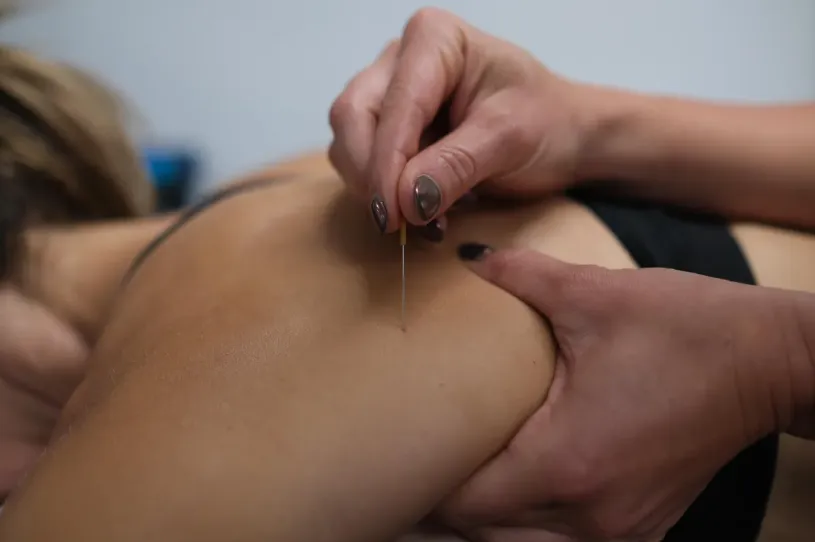
Dry needling, sometimes confused with the term micro-needling, is a physical therapy technique used for a variety of reasons. Dry needling is the insertion of thin monofilament needles to treat a variety of neuro-musculoskeletal conditions. The needles are inserted into muscles, tendons, bone, joint capsules, scar tissue, skin, and perineural tissue to create a response at a chemical and cellular level.
Is dry needling the same as acupuncture?
Dry needling is a form of acupuncture practiced by physical therapists. The word acupuncture literally translates to “needle penetration.” The methods and procedures of acupuncture and dry needling are similar; however, the philosophies are different.
Dry needling is prescribed based on western musculoskeletal diagnoses, not within the theoretical framework of traditional Chinese medicine. The purpose of dry needling is to stimulate change in the neuromusculoskeletal system, while the purpose of acupuncture is to facilitate flow of energy/qi along meridian lines.
Why is it called dry needling?

The technique is referred to as “dry" needling, opposed to “wet" needling, because nothing is being injected into the body. A thin, monofilament needle is used to perform dry needling, whereas a hollow bore needle is used to perform injections.
The diameter of the monofilament needle is about 1/8 the size of hypodermic/ hollow bore needle. The needles come in a variety of lengths ranging from 15 mm to 100 mm and are selected for use based on depth of target tissue. Larger and deeper muscles in the hip require longer needles (75-100 mm). Smaller needles (15-30 mm) are used for areas such as the face, hands, and feet.

Top 10 Benefits of Dry Needling
Decrease pain
Increase blood flow
Release muscle knots AKA trigger points
Reduce Swelling
Relieve nerve compression and irritation
Relax tense and guarded muscles
Stimulate cellular repair of injured muscles, tendons, and ligaments
Improve mobility
Activate sleepy or inactive muscles
Disrupt scar tissue
HOW exactly does it do that?
Ok, let’s talk about muscle because that is the most common structure in the body we needle. When the needle is inserted into a muscle, it can directly pierce scar tissue or adhesions that have developed in the muscle contributing to pain and dysfunction. It also causes local trauma to the area stimulating acute inflammation, which is the first step in the healing process.
The insertion of the needle into a muscle can produce a twitch response, which is the release of a trigger point. For various reasons, a chemical called acetylcholine can collect in the neuromuscular junction where the nerve meets the muscle. This causes a series of events leading to a muscle contraction without the appropriate energy source (ATP) available to release the muscle back to a resting state. This chronic contraction without the ability to relax is a trigger point. The needle essentially blows up the back up of acetylcholine and allows that specific area to return to state of rest. The muscle then feels less tense and painful.
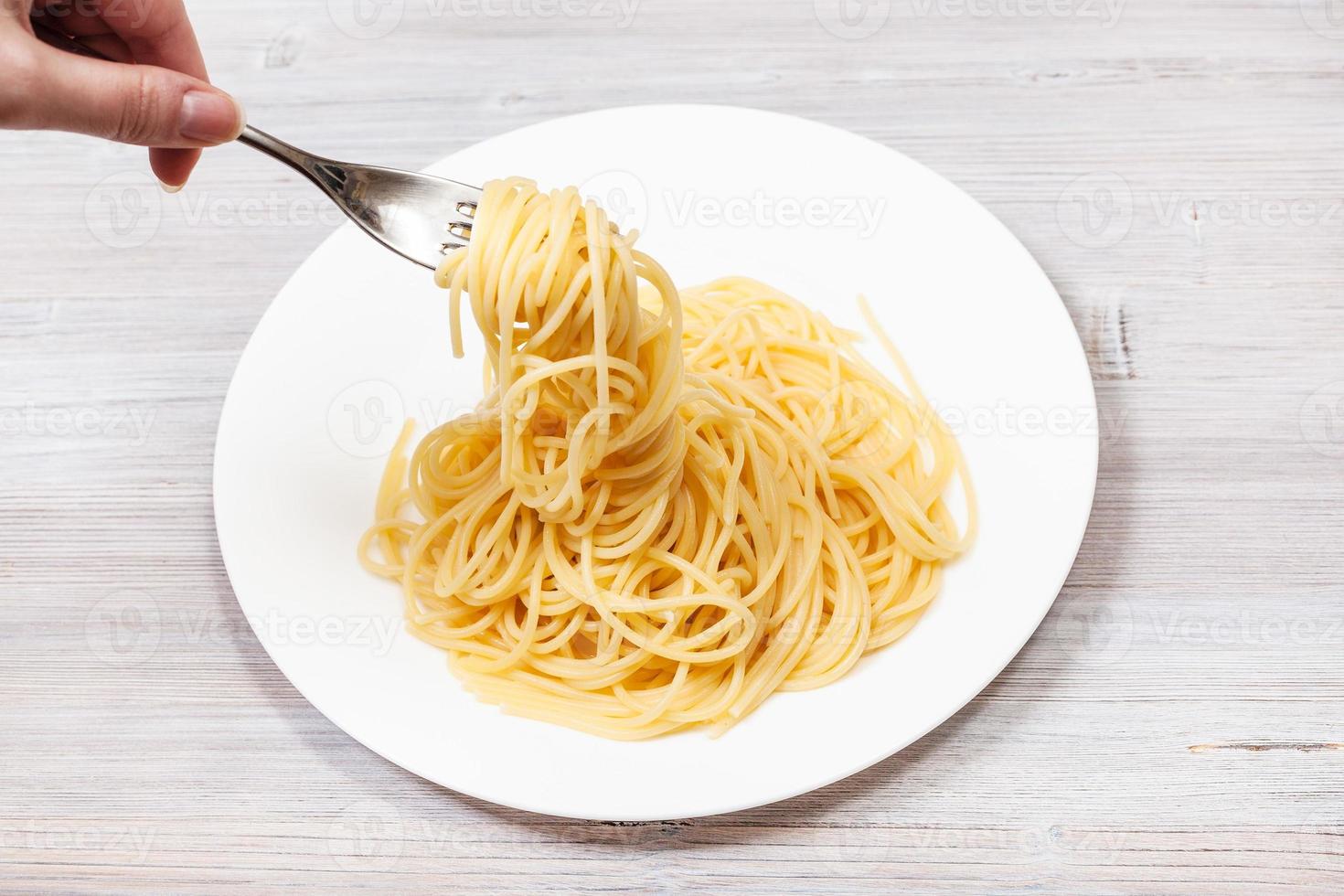
There are a variety of ways to stimulate the needle to enhance outcomes. Winding is when you twist the needle until it becomes taught. Imagine a bowl of spaghetti. When you stick a fork into a bowl of spaghetti you only pierce a fraction of the noodles. When you twist the fork, you start to create a spiral or whirlpool affect in the surrounding noodles. This concept applies to the cells of the fascia and the muscle around the needle when you wind/twist it.
There is a fancy term called mechanotransduction. This means that the body takes a mechanical or physical stimulus (movement of a needle) and responds with a biochemical change. Dry needling can actually change the structure of cells to help repair and realign injured or disorganized tissue.

Another way to stimulate the needle is to add an electrical current. The electricity causes the muscle to contract. This muscle pump is often felt as a light to moderate pulse or tick.
The muscle pump:
enhances blood flow to the area
helps facilitate the lymphatic system to decrease swelling
flushes out local congestion reducing compression or irritation of nerves
The electrical current also communicated with the nervous system to:
decrease pain receptor sensitivity
relax tight and guarded muscles
stimulate muscles with poor neurological connection
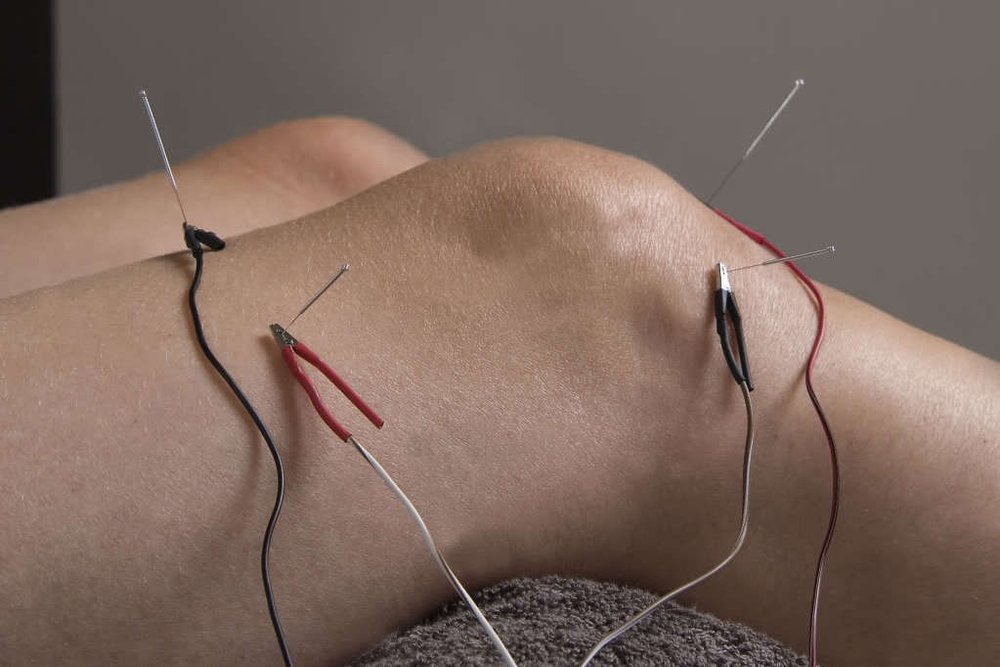
Electro-dry needling can significantly impact patient's suffering from chronic pain. After experiencing pain for more than 6 months your body can actually create changes in how your brain perceives pain at the location of initial trauma. You can develop an increased number of pain receptors making what once felt like a 2/10 pain now feels like a 7/10, even though the injury has not gotten worse.
Electro-dry needling helps decrease the number of pain receptors and makes changes in how the signal is sent from the site of pain to the brain and from the brain back to the site of pain. During the first few treatment sessions, most changes occur at the level of the neuromuscular junction (where the nerve meets the muscle). With repetitive treatment, changes can be made along the nerve path in the spinal cord up to the brain. This is really powerful stuff for people who have been dealing with pain for many years!
TAKEAWAY
This powerful tool is used to treat your symptoms and is always followed up with exercise to address underlying movement dysfunction and maximize healing of local tissue.
To learn if dry needling can help you, call our office at 954-519-4185 to speak with a Doctor of Physical Therapy or click here to request an appointment.


